

Can Foreigners Buy Property in Vietnam? The Complete 2026 Guide
Yes, foreigners can buy property in Vietnam. As long as you enter the country legally (a passport with a Vietnam entry stamp is enough), you can own apartments in licensed commercial projects on a 50-year renewable term, subject to a 30% foreign quota per building. No work permit or residence card is required, and if you are married to a Vietnamese citizen, you qualify for indefinite (freehold-style) ownership.
Who is allowed to buy property in Vietnam?
Under Vietnam’s current Housing Law, the requirements for foreign individuals are remarkably simple: you must be legally admitted into Vietnam and hold a valid passport with an entry stamp from Vietnamese immigration. A tourist or business visa is sufficient, no long-term visa, no work permit, no residency needed to sign a purchase contract.
The only exclusion: individuals entitled to diplomatic or consular privileges and immunities are not eligible to buy.
What can foreigners buy: and what can’t they?
- Allowed: apartments and landed houses inside licensed commercial housing projects approved for foreign sale.
- Quota: foreign ownership is capped at 30% of units per apartment building and 10% of landed houses per project.
- Not allowed: standalone land outside projects, land in Vietnam is collectively owned by the state (even Vietnamese citizens hold land-use rights, not land itself).
- The detail almost nobody tells you: foreigners can only buy from the developer or from another foreigner, you cannot buy from a Vietnamese individual. When selling, however, you may sell to both foreigners and Vietnamese.
How the 30% quota works in practice (something most articles skip): for new launches, the developer announces the foreign quota and counts it against booking deposits, hot projects can exhaust their quota within the first sales phase. For completed projects, the only reliable way is to verify remaining quota directly with the developer. One more nuance: foreigner-to-foreigner resales are currently done by assigning the Sale & Purchase Agreement (SPA); once a unit has its pink book, there is still no clear transfer procedure between two foreigners, which is why owners holding a pink book usually resell to Vietnamese buyers.

Verify the quota before you fall for a unit. Many clients pick the unit they love and only then find out the tower has no foreign quota left, after the deposit is paid.
I check with the developer’s written confirmation and actual booking data, not sales talk.
What does 50-year ownership mean? What happens after?
Foreign individual ownership runs for 50 years from the issuance of the ownership certificate (pink book), renewable under the law applicable at expiry. During the term you hold full rights: live in it, rent it out, mortgage it, contribute it as capital, gift, bequeath or resell it. If you marry a Vietnamese citizen, your ownership converts to indefinite, identical to a local’s.
And in reality? No building in Vietnam has reached the 50-year mark for foreign owners yet, so there is no real-world precedent. By regulation, the building’s condition is inspected at expiry and the term extended. For long-term quality, every building holds a 2% maintenance fund; once depleted, residents contribute top-ups. Projects that manage this fund well, such as The Vista An Phu or Vista Verde, still hold their quality and value after many years, and that is exactly the criterion I use when selecting projects for long-term holders.
Taxes & fees when buying, selling and renting (real numbers)
- Buying: 10% VAT on the purchase price (new units from developers) + a 0.5% registration fee when receiving your pink book (capped at VND 500 million per asset).
- Selling: a flat 2% personal income tax on the transfer price (on gross price, not profit).
- Renting: above VND 100 million/year in rental income: 5% VAT + 5% PIT on revenue (below that threshold, exempt).
- No annual property tax currently applies to residential ownership in Vietnam, a major advantage over most regional markets.
The mandatory step: open a Vietnamese bank account first
Before buying, foreigners must open a bank account in Vietnam, every payment flows through it so that your money trail is recorded and traceable. This is also the key condition for smoothly repatriating your proceeds when you sell later.
Good news: it is easier than you think. International banks operating in Vietnam (UOB, HSBC, Standard Chartered…) support foreign buyers well; the paperwork is essentially your passport, visa and standard anti-money-laundering declarations. Opening the account typically takes just 1–2 business days.
Can I transfer my money out of Vietnam after selling?
Yes. Proceeds from a property sale can be remitted overseas, provided you present complete documentation: the sale contract, bank payment records and proof of tax settlement. This is precisely why the money should come into Vietnam through official banking channels from day one, clean money in means smooth money out.
The buying process in 5 steps (deposit to pink book)
- Verify the 30% quota, demand official written confirmation, never rely on verbal assurances.
- Place a deposit and sign the deposit agreement (typically VND 50–200 million depending on the project).
- Sign the Sale & Purchase Agreement with the developer and pay by instalments via bank transfer.
- Take handover of the unit on completion.
- Receive the pink book, the 0.5% registration fee is paid at this stage.
Realistic timelines: for completed projects, deposit to pink book usually takes 6–12 months. For new launches, it follows the construction and payment schedule; after handover, certificate issuance typically takes another 6–12 months.
A strategy many foreign investors choose: staying at the SPA stage instead of applying for the pink book immediately, the final 5% payment is not yet due, transferring to another foreigner is far more flexible, and the tax cost on resale is lower. The trade-off: the pink book remains the fullest form of legal protection. Which route suits you depends on your holding objective, a decision worth discussing with your advisor before committing.
Get the 12-step checklist + a quota check within 24 hours
Send the name of the project you are looking at. I reply with whether the tower still has foreign quota, the developer’s official price, and which drawbacks are real. Pick the channel you use:
Chris’s view: the advice I give every new client
- The biggest mistake I see: going it alone. Many buyers research through generic internet articles, vague and quickly outdated, then decide without data. Work with an advisor tied to an international firm, who works from real market reports and stays with you when problems arise.
- Verify the quota before falling in love with a unit. Checking the foreign quota is the first step, not the last.
- The developer matters more than the unit. How fast your pink book arrives depends mostly on the project’s legal standing and the developer’s track record.
- Buy along the master plan, not the rumours. Thu Thiem is planned as HCMC’s new CBD on the city-within-a-city model (think Pudong, Shanghai), Metro Line 1 is already running, real infrastructure is what holds value over 5–10 years.
Do I need a long-term visa to buy property in Vietnam?
No. Legal entry with a stamped passport is enough, tourist and business visas qualify. No work permit or residence card is required.
Does buying property in Vietnam give me residency?
No. Property ownership does not grant residency or citizenship; immigration is governed by separate laws.
What is the pink book?
The Certificate of Land Use Rights and House Ownership, the sole legal proof of ownership in Vietnam. Without it you cannot legally sell, mortgage or transfer the property.
Can a foreigner buy a resale apartment from a Vietnamese owner?
No. Foreigners may only buy from the developer (primary) or from another foreigner. When selling, foreigners may sell to both Vietnamese and foreign buyers.
Do I need a Vietnamese bank account?
Yes, it is mandatory before purchasing. International banks like UOB, HSBC and Standard Chartered open accounts for foreigners in 1–2 business days with just a passport, visa and standard AML paperwork.
How long does the whole process take?
For completed projects, roughly 6–12 months from deposit to pink book. For new launches, it follows the construction schedule, plus 6–12 months for the certificate after handover.
Thinking about buying in Ho Chi Minh City?
I’m Chris Phuong, I guide foreign investors who are new to Vietnam through the entire journey: quota checks, legal verification, bank setup and all the way to the pink book, in four languages (Vietnamese · English · Chinese · Korean). Browse my hand-picked central projects or book a free consultation, I reply within 24 hours.
Updated August 2026, based on Vietnam’s current Housing Law. This article is general information, not legal advice for your specific case.
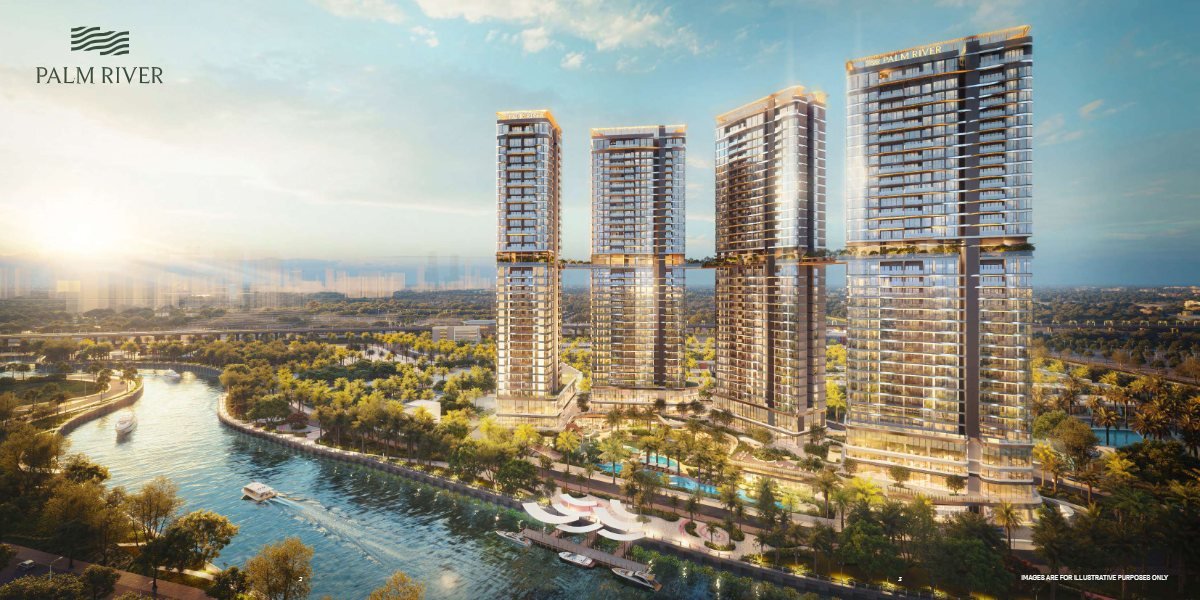

Pingback: Palm River Review 2026: Riverside Living Next to Ho Chi Minh City's Future Sports Hub - CHRIS PHUONG · Vietnam Real Estate
Pingback: Gladia Heights Review 2026: Keppel–Khang Dien Apartments Next to Thu Thiem